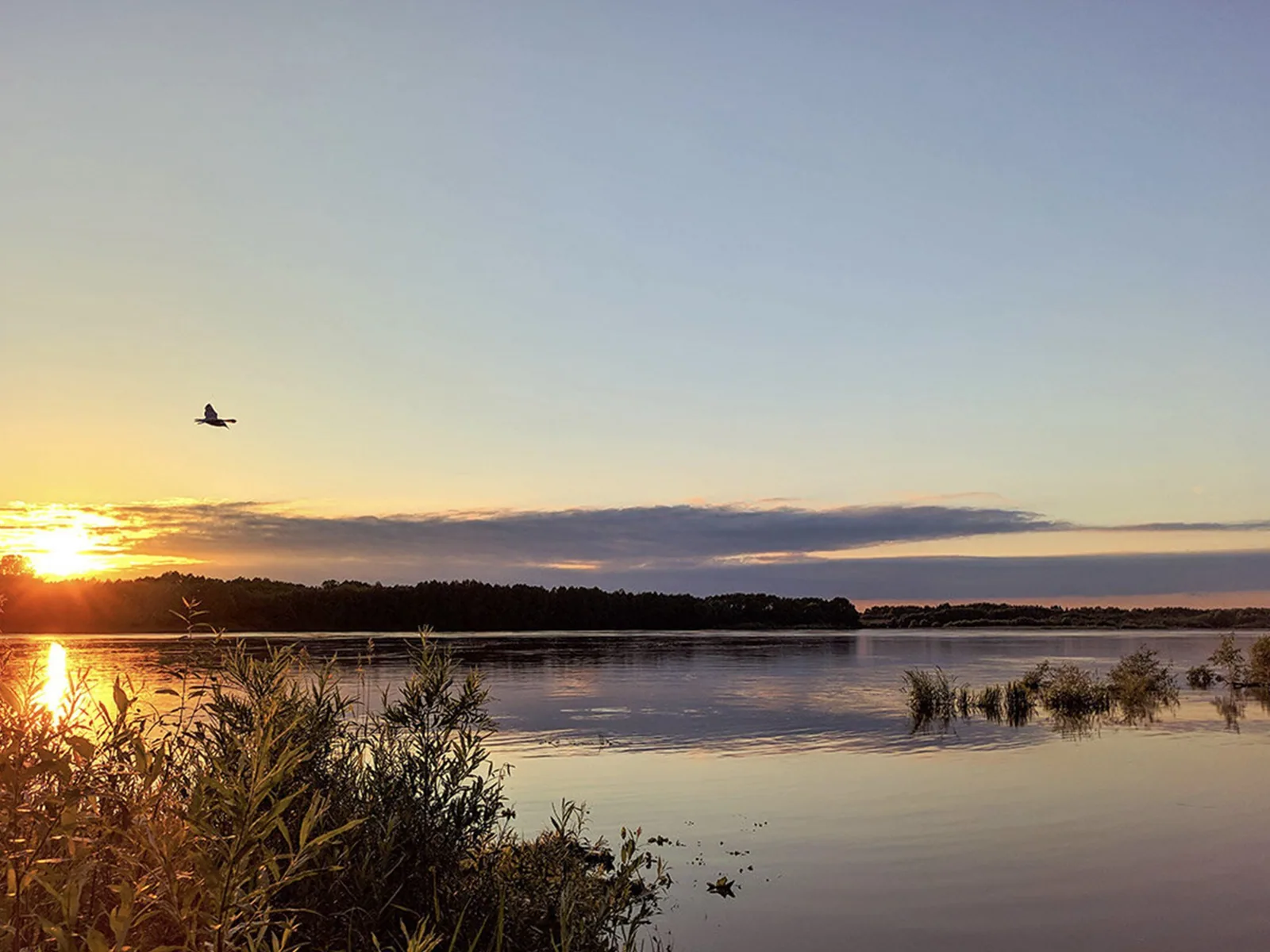
The story of this land
This land was part of a vast, unexplored area until the Spaniards began to take over Latin America. The first known claim to any kind of title was the grant of a huge area from the Spanish Crown in about 1600. It was simply an ignored and neglected part of the Spanish Conquest.
When Mexico threw off Spanish rule, this area became part of Mexico but was still unexplored, known only to wandering Indian tribes. White settlers began to come into the area through the river crossing at Nacogdoches, but most of them moved on into central and south Texas.
Cherokee Indians, moving west ahead of white settlement, had several villages in Oklahoma and came down into this part of East Texas. Our land was once a part of what was known as the Cherokee Nation.
The Indians planted roses along their trails from Oklahoma to Texas, and some of those rose borders are still in existence.
In 1836, Texas won its war against Mexico and the Republic of Texas was born. In 1845, the United States went to war with Mexico and took over the huge area that is now the southwest and western part of the US, all the way to the Pacific Ocean. Texas became a state. Then, in the War Between the States, as all us born and bred Southerners call it, Texas took the Confederate side but escaped most of the ravages of that sad event.
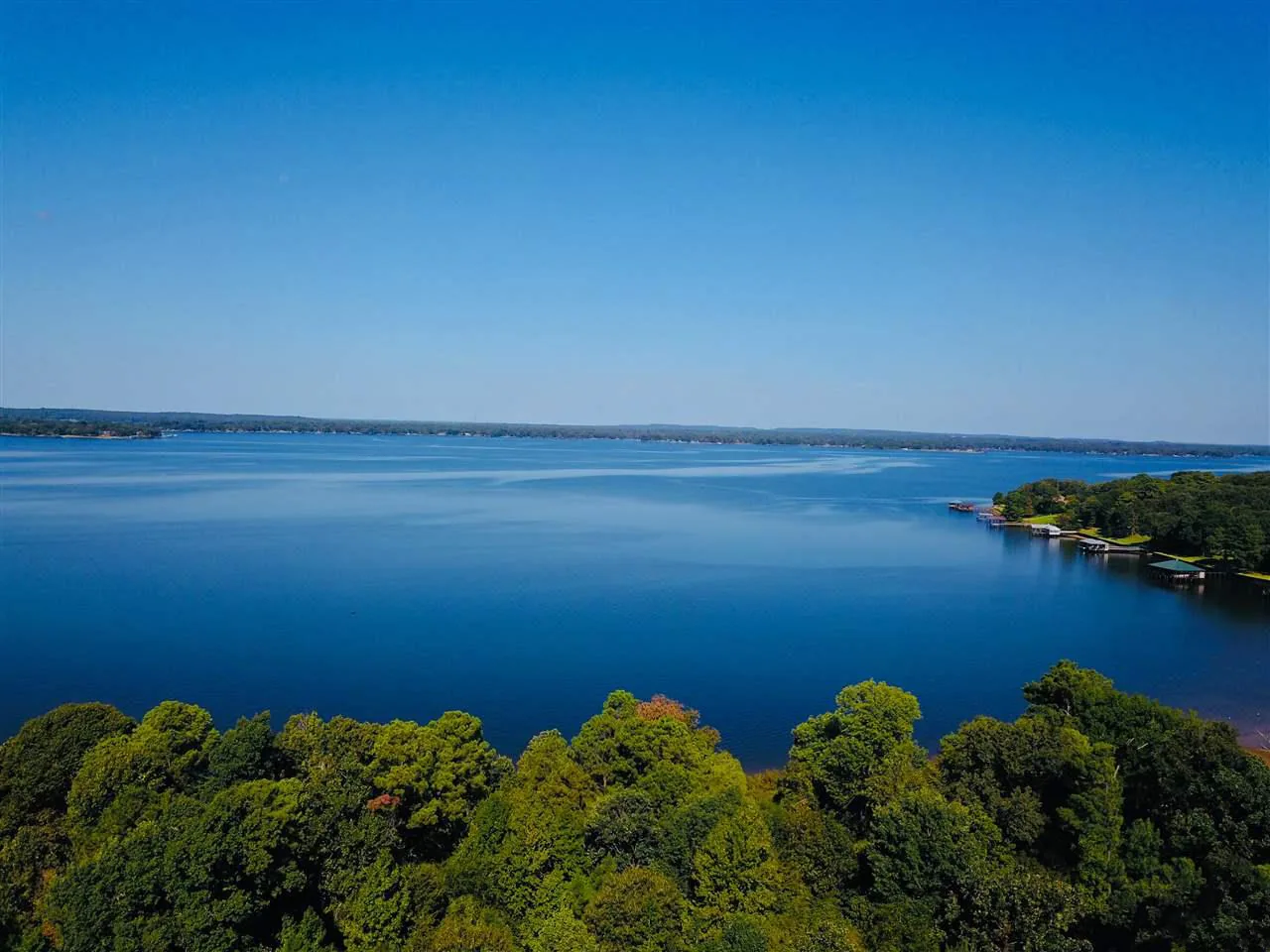
In 1853, soon after Texas became a state, Eastdale and the land around it was settled by the Thompson family, moving in from Alabama. Graves of three of the original Thompsons are across Highway 346 in a grove of trees. The plantation house must have been in that area, as we have found hand-made bricks, iron fittings, and articles around there, but we have no way of knowing what the plantation house looked like. It was probably a large log house surrounded by stables and shops. It had to be a self-sufficient establishment, producing its own food and fiber.
The plantation covered over 2,000 acres, with the Neces River, now under Lake Palestine, for its western boundary.
The land has stayed in the same family all these years, but through marriages the name was changed to Jones, Wayland, and finally Mayo. Some of the early settlers who are still around persist in calling it the old Jones place. Lake Palestine took a big chunk of the land. Some of it was sold off, and then the land was divided among the family members, with a third of it, which is now Eastdale Acres, coming to us.
There is a lot of history in this beautiful land. This is just a brief sketch of the highlights.
- Largent and Laura Mayo Parks